
Flexion-Distraction in Caro
Gentle flexion-distraction therapy in Caro, MI — a hands-on, non-surgical technique that decompresses the lower spine to relieve disc and sciatic pain.
Next Level Chiropractic & Wellness
Flexion-Distraction in Caro
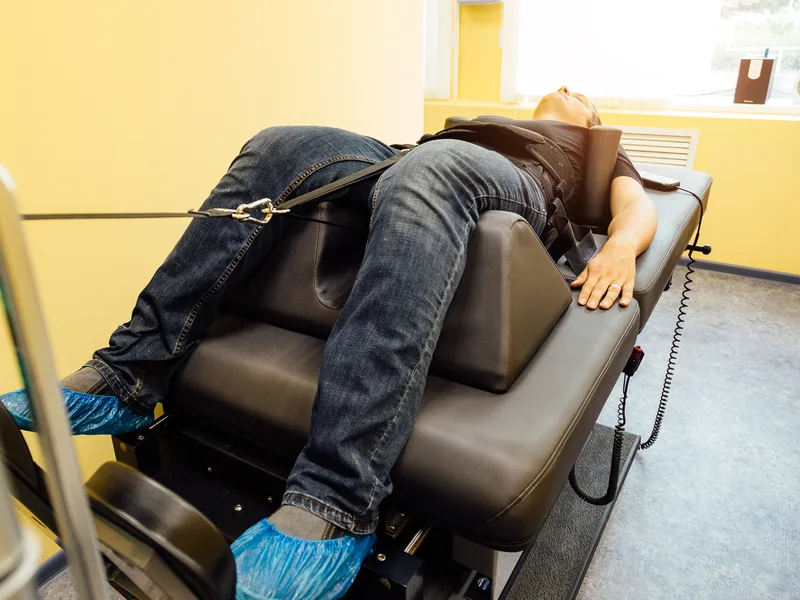
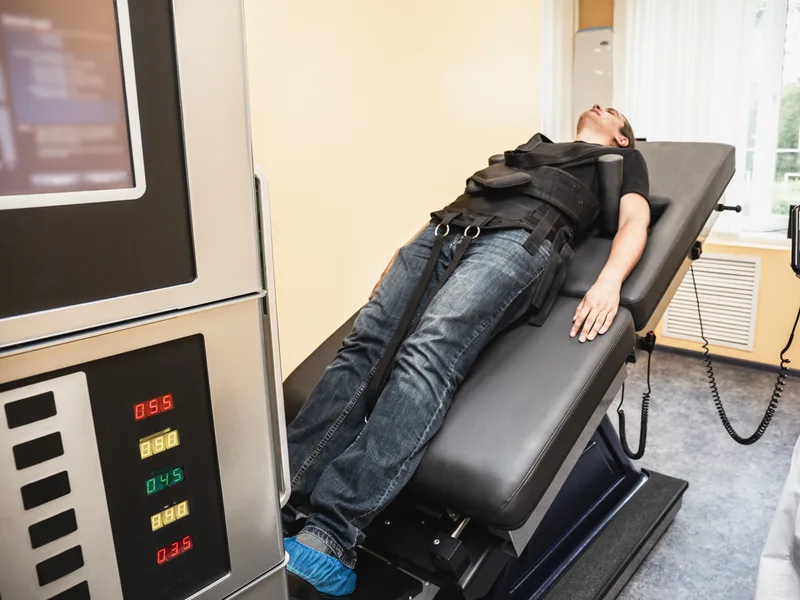
Flexion-distraction is a gentle, hands-on chiropractic technique performed on a specialized segmented table that rhythmically stretches and decompresses the lower spine. By easing pressure on discs and nerves without twisting or high-velocity thrusts, it offers a comfortable, non-surgical option for disc-related pain, sciatica, and leg symptoms that haven't responded to other care.
How it works
What to expect with flexion-distraction
- Step 1
Thorough exam first
We review your history and perform orthopedic, neurological, and movement testing to confirm which disc level is involved, rule out contraindications, and determine whether flexion-distraction is the right fit for your spine.
- Step 2
A personalized decompression plan
You get a plain-English explanation of your findings and a specific, time-bound care plan with measurable goals and a clear endpoint rather than open-ended visits.
- Step 3
Hands-on table work & follow-through
Each session combines the flexion-distraction technique with any needed adjustments and, as you progress, simple at-home movement and posture guidance to support your lower back between visits.
Why patients choose it
Benefits of flexion-distraction
Drug-free, non-surgical disc and nerve relief
Comfortable rhythmic motion — no high-velocity thrusting
Increases disc height and reduces nerve root pressure
Suitable for most ages, including older adults
Pairs naturally with spinal adjustments and spinal decompression
One of the most researched conservative options for lumbar disc pain
The basics
About flexion-distraction
The lumbar discs act as shock-absorbing cushions between each vertebra. When a disc bulges, herniates, or begins to degenerate, it can press on nearby nerves and trigger pain, numbness, or weakness that radiates into the leg. Flexion- distraction addresses this by gently cycling the spine through a pumping motion that increases disc height, reduces pressure inside the disc, and encourages nutrients and fluid back into the disc tissue.
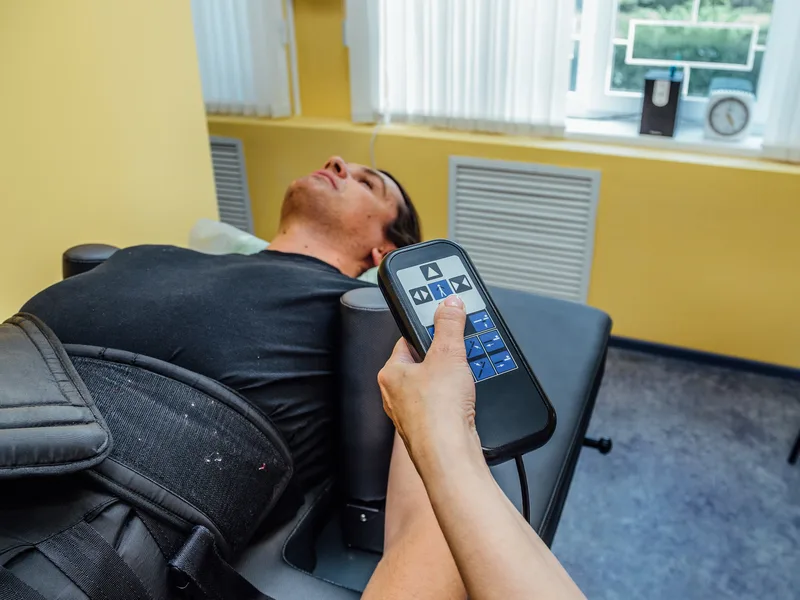
Unlike motorized traction, flexion-distraction is guided entirely by the doctor's hands, which means each movement is tailored to what that specific spinal level needs in real time. The result is a highly controlled, low-force session — and a treatment that pairs naturally with spinal adjustments and spinal decompression.
New Patient Special
Your first visit for just $47
Our commitment to the community is to give everybody a chance to see how chiropractic care can help them so this offer includes:
- One-on-one consultation
- Comprehensive chiropractic exam
- X-rays (if needed)
- Report of findings
- Chiropractic adjustment
- Personalized care plan recommendations
New patient offer
$47
New patients only
Claim My $47 Visit or call (989) 208-3847We are sorry, but due to regulations, this offer excludes participants of federal aid programs such as Medicare or Medicaid.
What is flexion-distraction?
Flexion-distraction is a hands-on chiropractic technique developed in the 1960s and one of the most widely researched conservative treatments for lumbar disc conditions. The patient lies face-down on a specialized table whose lower section can move — flexing, extending, and laterally tilting under the doctor’s guidance. While the table creates a gentle distraction force, our chiropractor applies light, controlled pressure to the affected spinal level, producing a rhythmic pumping motion that decompresses the disc and surrounding joints.
The goal is to increase the height of the disc space, reduce the internal disc pressure (which can help a bulging or herniated disc retract), decrease nerve root pressure, and restore normal motion to the lumbar spine — all without surgery, injections, or high-velocity thrusting.
What to expect
Your first session begins with a brief re-assessment to confirm the target level and set a comfortable range of motion on the table. Once you’re positioned face-down and relaxed, our chiropractor moves the table’s lower section through a slow, rhythmic flex-and-distract cycle. You’ll feel a gentle traction and stretch across your lower back — no twisting, no sudden movement, and nothing that should hurt.
Because the technique is entirely hands-on, the doctor can adjust the force and direction moment-to-moment based on how your spine responds. Sessions are typically combined with any targeted chiropractic adjustments you need that day, and as your pain decreases, our chiropractor will give you simple at-home movement and posture guidance to support your lumbar spine long-term.
Who it helps
Flexion-distraction is a strong fit for patients dealing with:
- Disc injuries — herniated, bulging, or degenerative discs causing local or radiating pain
- Sciatica — leg pain, numbness, or tingling traced back to lumbar nerve root compression
- Back pain — especially chronic low-back pain that hasn’t fully responded to adjustments alone
- Pinched nerves in the lumbar spine — facet-related or foraminal narrowing
- Older adults or patients who prefer a very gentle approach to lumbar care
- Post-surgical patients (with physician clearance) seeking conservative maintenance
If you’re not sure whether you’re a candidate, the answer starts with an exam — not guesswork.
Why choose Next Level Chiropractic
At Next Level Chiropractic, our chiropractor brings together flexion-distraction, spinal adjustments, and — when the disc needs more sustained unloading — spinal decompression into one cohesive plan built around your specific findings. You get a straight answer about what’s driving your pain and a realistic, time-bound plan to address it — not an open-ended commitment.
Ready to see whether flexion-distraction is right for your back or sciatic pain? Check out our New Patient Special and book an appointment online in under a minute.
What it helps
Conditions we treat with flexion-distraction
What is flexion-distraction therapy?+
Flexion-distraction is a hands-on chiropractic technique performed on a segmented table. The doctor gently flexes and distracts the lower spine in a rhythmic, pumping motion that decompresses the discs, reduces nerve pressure, and improves spinal mobility — all without forceful thrusts.
Does flexion-distraction hurt?+
It shouldn't. The force is gentle and guided entirely by the doctor's hands, so there is none of the twisting or high-velocity thrusting that some people find uncomfortable. Mild muscle fatigue afterward is normal, and the range and force stay within what you tell us is comfortable.
What conditions does flexion-distraction treat?+
It's used most often for lumbar disc herniations or bulges, sciatica, degenerative disc disease, facet syndrome, and low back pain with leg symptoms. It can also benefit spinal stenosis and some cases of scoliosis-related discomfort.
How is flexion-distraction different from regular spinal decompression?+
Motorized spinal decompression uses a computer-controlled table and traction harness. Flexion-distraction is entirely hands-on — the doctor controls every movement in real time, which allows precise targeting of individual spinal segments and makes it a gentler option for many patients.
How many sessions will I need?+
It depends on what your exam shows and how long the problem has been there. After your exam, our chiropractor will recommend a specific, time-bound plan with a clear endpoint — not an open-ended commitment.
Is flexion-distraction safe?+
Yes. It's one of the most researched conservative therapies for lumbar disc conditions and is considered very safe when performed by a trained chiropractor. We screen every patient before starting and do not use this technique in the presence of fractures, certain tumors, or severe osteoporosis.
Will my insurance cover flexion-distraction?+
Coverage varies by plan. Call our Caro office at (989) 208-3847 with your insurance details and we will help you check your benefits before your first visit, so you know the cost before you start care.
Can flexion-distraction help my sciatica?+
Often, yes. By increasing the disc space and reducing pressure on the nerve root, flexion-distraction targets the mechanical cause of most sciatic pain — the compression itself, rather than only the symptoms it produces.
Do I need imaging before starting care?+
Not always. We can often begin treatment based on your exam findings alone. If imaging already exists, bring it — it helps us target the right level. We order new imaging only when it would meaningfully change your care.
What should I do at home between sessions?+
Stay gently active — walking is ideal. Avoid prolonged sitting or bending that worsens your symptoms. Our chiropractor will give you specific stretches and posture tips to support your progress between visits.
Explore more